Beginning teachers need support – without having to pay for it
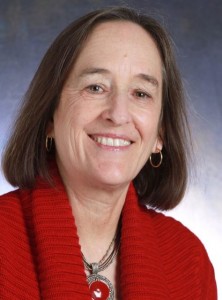
Ellen Moir
A nib sits on Governor Brown's desk that non only has the potential to support the evolution of a world-class teaching strength for California's students, but to right a wrong currently imposed by the state on many new teachers.
The bill, Assembly Beak 141, is focused on making sure starting time teachers – who face a steep learning curve and low salaries in their first years – get the mentoring support they demand to truly improve pupil learning, without having to pay for information technology themselves.
Once new teachers have completed a teacher preparation program, California policy requires them to participate in a two-year mentoring program in which they get back up from more than experienced, skilled coaches. They need to consummate this in guild to catechumen the preliminary credential they are first issued to a "clear" or permanent credential within five years.
Simply while California requires teachers to enroll in such a plan, it doesn't require districts or schools to actually provide it – or pay for it. The state once gave districts dedicated funds to underwrite these programs but essentially eliminated this support in the budget cuts during the Great Recession. As a effect, in some districts teachers actually have to pay out of their own pockets – sometimes as much as $ii,500, or more than than 5 per centum of the average starting bacon – to come across this state requirement.
As someone who has helped schoolhouse districts meet the needs of their newest educators for more two decades, I can tell you that highly effective mentoring programs are critical to student achievement. Just as doctors benefit from medical residencies after earning their degrees, beginning teachers too need further guidance through on-the-job mentoring from an accomplished, well-prepared peer. This is also referred to as "teacher induction," every bit teachers are inducted into the profession via regular mentoring. Mentors provide them with relevant feedback and counsel when they demand it most. When new teachers receive support via a sustained, rigorous and individualized mentoring program focused on helping them go more effective more quickly, students do good.
This type of support is vital for the growth of our new teachers and the success of their students, but it's unacceptable that some districts are asking teachers to pay for it themselves. In other states that crave new teacher mentoring and consecration programs, the cost is typically covered by the district and/or the country, non by individual teachers. At a time where teachers are underpaid, housing costs are increasing and California has intense instructor shortages, we should be doing more than to help teachers succeed. AB 141 takes a pocket-sized step in that management by prohibiting districts from charging beginning teachers to participate in a required program – and Gov. Brown, who has consistently spoken out on behalf of teachers, should sign it.
Teacher induction and mentoring benefits educators, students and taxpayers through increased educatee accomplishment, reductions in teacher turnover and reductions in commune recruitment costs. So this expense must be borne by our educational arrangement, not placed on the backs of our newest teachers.
•••
Ellen Moir is founder and chief executive officer of the New Teacher Center, a national nonprofit system working to improve student learning by accelerating the effectiveness of teachers and school leaders, especially in underserved areas.
The opinions expressed in this commentary represent those of the author. EdSource welcomes commentaries representing diverse points of view. If you would like to submit a commentary, please review our guidelines and contact us.
To become more reports like this one, click here to sign up for EdSource's no-cost daily email on latest developments in pedagogy.
Source: https://edsource.org/2015/beginning-teachers-need-support-without-having-to-pay-for-it/88601
0 Response to "Beginning teachers need support – without having to pay for it"
Post a Comment